We accept
Medicare Advantage plans to fit your dental needs.
Medicare Advantage plans to fit your dental needs.

Gum disease, AKA periodontal disease, is an inflammatory condition affecting the soft tissues that support the teeth. Periodontal literally means “around the tooth”. It makes sense then that gum disease starts out as inflammation of the gingival (gum) tissues and can lead to eventual tooth loss without treatment. The disease is progressive, but it can be reversed in its earliest stage. You’ll need to keep a sharp eye out for gum disease as it can be very silent, presenting no symptoms until it’s too late. Luckily, a good dental hygiene routine is a great prevention method for avoiding gum disease.
Your gum health matters for several reasons. First, inflamed gums detract from an otherwise nice smile. If you have nice teeth and red, puffy gums, your gums are all that people will notice. Unhealthy gums also lead to bad breath and pockets of pus forming around the teeth. Next, gum disease is the leading cause of tooth loss in adults age 30 and over. Keeping your gums healthy will help you avoid expensive tooth replacement options. Finally, gum disease can affect your general health, increasing your risk for, or aggravating, serious health problems.
Would you believe that over 75 percent of adults have some form of gum disease? How about the fact that 65 percent of teenages over the age of 15 have some form of gum disease? It’s difficult to believe, but those are true statements. Since gum disease is so dangerous, it’s important to get treatment right away. Unfortunately, only 15 percent of people that have gum disease know they have it, making treatment very hard to request. Education is the best defense in this case.
Considering periodontal disease is nearly always preventable, these facts show many people are not aware of how important it is to care for their gums as well as their teeth. You can prevent gum disease with regular trips to the dentist and a healthy dental care routine.
The bacteria in plaque and tartar is the primary cause of gum disease. Everyone gets plaque, the sticky film that makes your teeth feel unclean, on their teeth. If you don’t remove it with twice-daily brushing and once-daily flossing, it can harden into tartar. The bacteria in plaque and tartar will irritate the gums, causing gingivitis. If a person does not get treatment to reverse the disease, it may turn into periodontitis as the bacteria gets under the gum. Periodontitis is a manageable form of gum disease, but it can’t be reversed.
There are certain risk factors that make people more likely to get gum disease besides poor oral hygiene. They include the following:
Many people are unaware they have this destructive disease, and often they don’t know what to look for in terms of signs. If you notice any of the following, it would be a good idea to discuss it with your dentist. Look for:
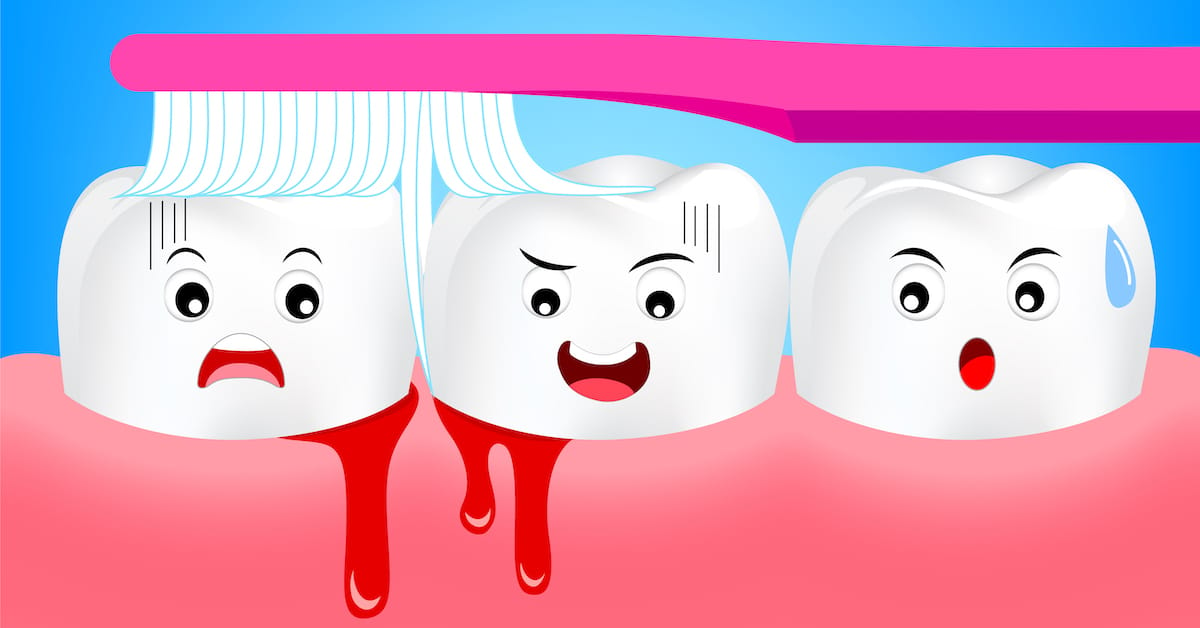
Gingivitis is the earliest form of gum disease. It is characterized by irritated and inflamed gums. With treatment, gingivitis is curable, so it is important to see one as soon as you notice your gums look swollen, bright red, or if they bleed a little when you brush your teeth. Gingivitis can progress to a more serious form of gum disease unless it is reversed with a dental cleaning and improved oral hygiene habits.
When gingivitis is not treated, it turns into periodontitis. This is not good and can be very painful. There are a few versions of periodontitis and your chances of developing one or the other will depend on your lifestyle and risk factors. The types are as follows:
Good oral hygiene practices are key to maintaining healthy gums. Follow these recommendations and you will be able to avoid most of the occurrences of gum disease:
Keeping your gums in good shape with help you maintain your smile for as long as possible.