We accept
Medicare Advantage plans to fit your dental needs.
Medicare Advantage plans to fit your dental needs.

Root canals are a commonly performed dental procedure that have a reputation for causing a lot of pain. Contrary to what you may have heard, a root canal procedure is a virtually painless procedure that will alleviate your severe tooth pain. The more informed you become about root canal treatment, the more calm and prepared you will be to fix your tooth. Read the following guide for more information.
A root canal is a type of treatment that is necessary when the pulp that is located within a person’s tooth becomes damaged, decayed, or infected beyond repair. This issue can cause severe tooth pain. If left untreated, it can eventually lead to a person having to lose a tooth. Having a root canal done by an affordable dentist at the first sign that there is a problem can help you save the affected tooth.
Many people have lots of questions to ask their dentist about root canal treatment. If you believe that this type of treatment is necessary for you, ask your dentist the following questions about the procedure.
There are many different kinds of symptoms that indicate that you could be in need of root canal treatment. These symptoms shouldn’t be ignored. If you experience any of the following symptoms, you should contact an affordable dentist near you as soon as possible:
Are you wondering what to expect throughout the entire root canal process? This helpful guide outlines what generally happens during this procedure, but your specific steps may vary depending on your dentist and the status of your tooth.
Step 1 – Do you need a root canal?
The primary signs that you may be in need of root canal treatment are pain the tooth, swelling, and redness. These symptoms occur when the tooth’s pulp becomes severely damaged or infected. You should see a dentist as soon as possible if you experience any symptoms that indicate you have a dental issue.
Step 2 – How does the procedure start?
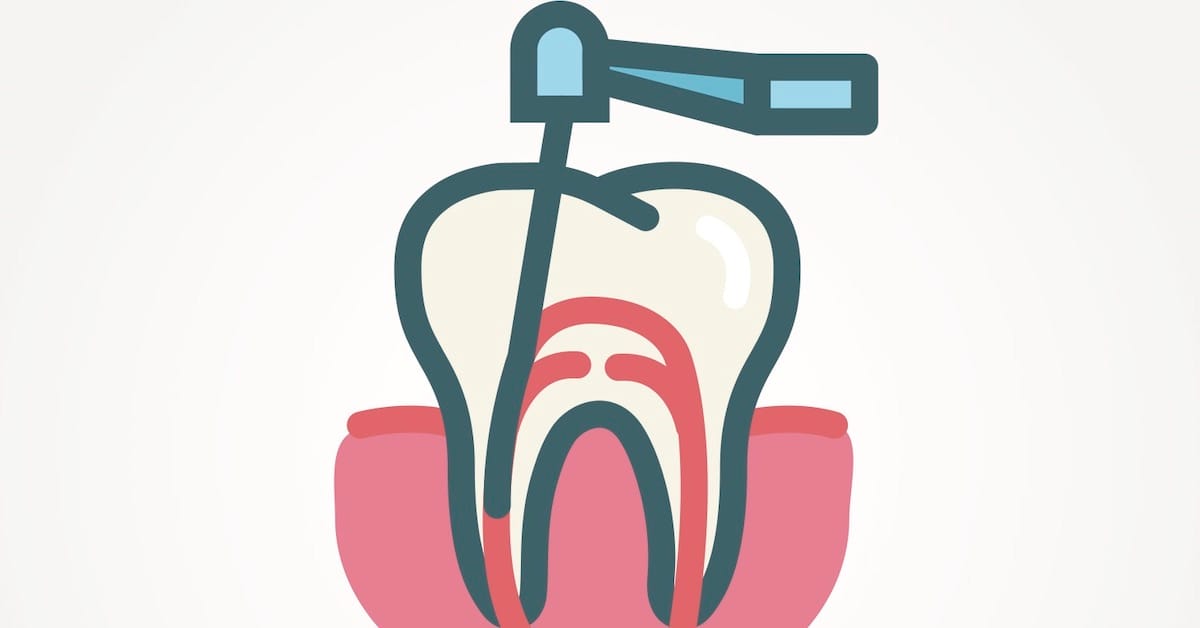
Once your dentist has decided that you need a root canal, he or she will use an anesthetic to numb the area around the affected tooth. This makes the procedure pain free and allows your dentist to make an opening at the crown of the tooth.
Step 3 – Does the dentist always remove the tooth pulp?
Using the opening created in the tooth’s crown, your dentist will remove the pulp from your tooth. This gets rid of the infection and ensures the pulp will not become infected again. The tooth will also be cleaned.
Step 4 – What happens to the empty tooth canals?
After the tooth has been cleaned, your dentist will shape the canals of the tooth and then pack those canals with filling.
Step 5 – How is the tooth restored?
The crown of the tooth will be sealed off with a temporary filling. This will help protect the tooth from damage or decay while it heals.
Step 6 – Will I need a crown to cover the tooth?
Most likely, you will receive a crown after your root canal procedure. You will visit your dentist again to receive a permanent crown that will fit over your tooth.
After your root canal treatment has taken place, it’s important that you take proper care of yourself. This will allow you to heal as quickly and completely as possible. To learn more about what you can do to properly heal after a root canal, continue reading this guide.
For a few days after your procedure, you can expect to feel some tingling or tenderness in the area immediately surrounding the affected tooth. Your jaw may also feel tender when you hold it open for extended time periods. Your tooth may also feel slightly different than your other teeth for a few weeks afterwards. Most symptoms are treated via over-the-counter medications. If you experience severe pain or pressure, you should call your dentist promptly, as these symptoms could be indicative of a serious complication.
Before you leave your root canal procedure, your dentist will provide you with a set of instructions to follow at home. These instructions will ensure that you recover completely. Contact your dentist if you have any questions, concerns, discomfort, severe pain or other adverse reactions. While your after-care instructions may be slightly different, we’ve compiled some guidelines that you may be expected to follow after your procedure:
Once your tooth has healed, you will need to see your dentist again to have a crown placed over the tooth. This will protect your tooth from further decay or damage.